
Featured companies
Leveraging advanced machine learning to discover and develop cancer therapies
Noetik trains self-supervised foundation models on one of the largest multimodal human tumor datasets in existence to predict clinical outcomes and simulate therapeutic effects before drugs ever reach the clinic.
Founded by an MD/PhD out of Stanford with prior leadership at Recursion, Noetik sits at the intersection of AI, oncology, and clinical translation.






Leveraging advanced machine learning to discover and develop cancer therapies
Noetik trains self-supervised foundation models on one of the largest multimodal human tumor datasets in existence to predict clinical outcomes and simulate therapeutic effects before drugs ever reach the clinic.
Founded by an MD/PhD out of Stanford with prior leadership at Recursion, Noetik sits at the intersection of AI, oncology, and clinical translation.
Full Portfolio


Constellation is using "living labs" that pair multimodal sensors with real-world environments to build foundation models of human state — brains, bodies, and environments. The founding team from Stanford and Columbia is deeply embedded in the AI + neurotech community and believes that AI foundation models must evolve into "world models" to move beyond text into physical, embodied applications.


Forecast uses astrocyte-neuron organoids to bridge the preclinical-to-clinical gap in neuroscience drug discovery, predicting human behavior and clinical endpoints rather than just modeling disease. The founder spent over a decade as a tenured UCSF neuroscience professor before building the underlying technology to solve target discovery through endpoint selection and patient stratification.
 Automating chemical analysis to accelerate drug discovery and development
Atometra automates chemical analysis — starting with mass spectrometry — to remove a major manual bottleneck in drug discovery and development. As late-stage development accelerates, the constraints shifts upstream to medicinal chemistry, and Atometra's platform targets that constriction directly.


Transfyr's physical AI infrastructure captures science as it happens, then turns human action, environmental context, operational metadata and instrument-derived results into interpretable, transferable knowledge.

A-Alpha Bio has built the world's largest protein-protein interaction dataset using its AlphaSeq platform, measuring millions of interactions at once. Protein-protein interactions underpin nearly all of drug discovery but remain largely uncharacterized, making this a foundational data layer for the field. The company was founded by protein engineers out of the Institute for Protein Design at University of Washington.


Copernic Catalysts combines experimental and computational approaches to design best-in-class catalysts for bulk chemical manufacturing, beginning with ammonia production. The founders pair physics-based computational modeling with deep industry experience from BASF, ExxonMobil, and Praxair/Linde.

EnPlusOne has built ezRNA, an enzymatic synthesis platform that manufactures therapeutic RNA using engineered enzymes instead of traditional chemical synthesis. They partner with pharma companies on modified siRNA and mRNA molecules — the complex, heavily-modified variants that conventional phosphoramidite chemistry struggles to produce at scale.

 EXITED Acquired by Halozyme (HALO)
Surf Bio developed technologies that stabilize biologics and address foundational challenges in drug delivery. The company was acquired by Halozyme.

Parallel Bio recreates human immune-system biology in vitro to improve the way new drugs are discovered and tested.

Immusoft genetically modifies a patient's own B cells to produce therapeutic proteins continuously in the body, using its Sequence Programmed INtegration (SPIN) technology. This is the only platform capable of reprogramming B cells in vivo for sustained protein production without repeated dosing. It's aimed at rare genetic diseases, hemophilia, and lysosomal storage disorders — multi-billion dollar markets where a one-time functional cure could replace chronic treatment.


Cytovale's IntelliSep platform measures biophysical markers of single cells to diagnose sepsis and other life-threatening conditions from a standard blood draw in under 8 minutes — a 10x improvement over existing methods. Sepsis kills roughly 270,000 Americans annually and costs the healthcare system $62B a year, making faster diagnosis one of the highest-impact interventions available.

ZymoChem has a breakthrough fermentation platform powered by proprietary carbon conserving (C2) microbes that convert renewable feedstocks into high-value bio-based materials enabling recycling and composting while reducing microplastics. The team trained together at Berkeley Biosciences Institute and has significant DOE and DOD support.


Checkerspot is creating fats and oils via precision fermentation. The company develops functional lipids not easily or sustainably sourced from nature, providing the world’s leading brands with market-ready ingredients critical to meeting nutritional needs at every phase of life.

TFC Therapeutics identifies new therapeutic routes designed to stop cancer and expand the options available to patients.


CellChorus studies dynamic interactions between individual cells to improve the discovery and development of cell therapies.


Shiratronics is developing a a miniaturized, implantable device to treat debilitating migraines. It's the only stimulator that can be placed in a minimally invasive outpatient procedure, removing a major adoption barrier for an already-proven neuromodulation target. Founded by medical device industry veterans.

Ecovative Design grows mycelium-based materials for applications including plant-based foods, textiles, and other consumer products.


Modern Meadow combines biology and materials science to create new high-performance materials through bio-design.
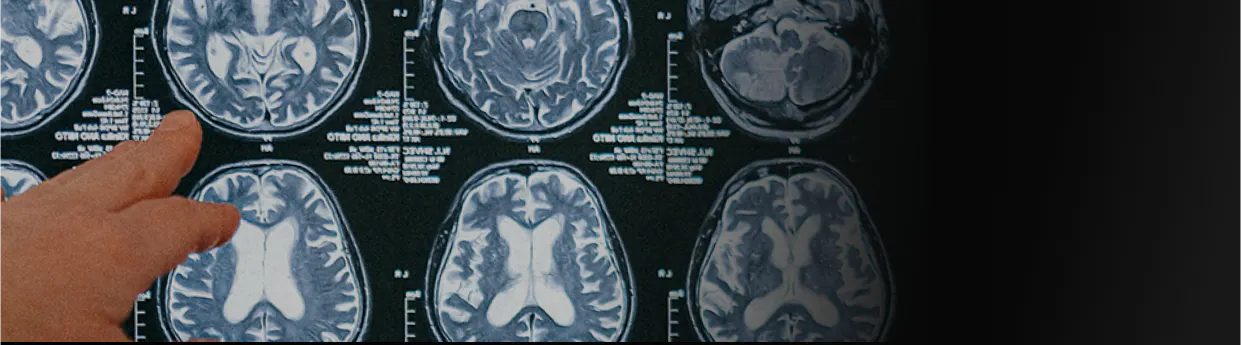
Cortexyme pursued therapies targeting underlying causes of neurodegenerative disease and completed its IPO in 2019.

Passkey Therapeutics identifies novel synergistic drug combinations using a computational genetics platform, Locksmith. Locksmith enables biopharma partners to increase the value of assets they already have by enabling indication expansion simply by combining Locksmith-identified drug mechanisms.